Resources for KADEC Partners, Alliances, and Boards
This page supports KADEC partners, county alliances, boards, and collaborating organizations working to strengthen coordinated response across Kansas.
When communities align messaging, share information, and act early, children experience stronger and more consistent systems of care.
Your leadership at the local level makes statewide impact possible.
Coordination is protection.
Who This Page Is For
Whether you are launching outreach materials, hosting trainings, or coordinating cross-sector response, this page is here to support alignment and shared impact.
This resource hub is designed for:
- County DEC alliances
- KADEC-funded partners and grantees
- Local boards and multidisciplinary teams
- Community outreach coordinators
- Prevention coalitions
- Organizations collaborating with KADEC initiatives
No single organization can carry this work alone. Collective clarity strengthens outcomes.
Shared Messaging & Campaign Alignment
Consistency strengthens credibility and builds trust within communities.
As partners develop local materials, we encourage alignment with:
- Look Again campaign messaging
- Trauma-informed language
- Child-centered framing
- Non-stigmatizing terminology
- Accurate Kansas data
When messaging is consistent across counties, communities receive clearer guidance and stronger signals about coordinated response.
Alignment doesn’t limit local innovation. It ensures that innovation strengthens, rather than fragments, the broader effort.
Downloadable Partner Tools
Use these resources to support outreach, training, and coordinated response efforts in your community.

Know the Signs Printable Tip Card
Download PDF ›

Get Involved
Download PDF ›

Alcohol Awareness Printable Tip Card
Download PDF ›

Brand Guidelines & Logo Files
Download Files ›

Community Planning Guide
Download PDF ›
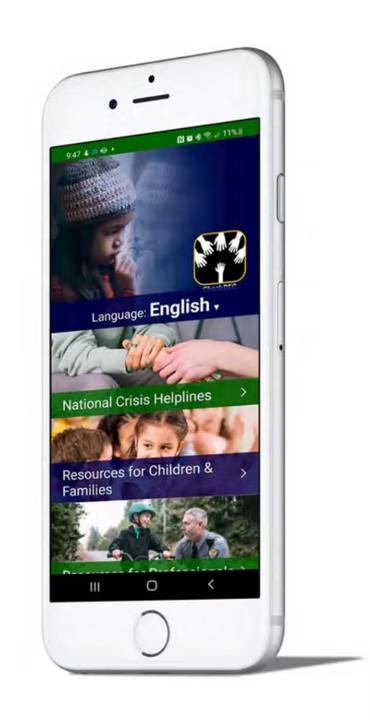
Get the CheckDEC Web App
CheckDEC is a free app from the National Alliance for Drug-Endangered Children that puts local, zip-code–specific substance-use resources, crisis helplines, treatment referrals, videos and real-life stories right in your hand — giving children, families, concerned community members and professionals instant, shareable support when they need it most.
- Direct crisis helpline links and immediate pathways to help.
Resources and downloadable handouts for families and tools for professionals.
Videos, an up-to-date news feed, and peer stories to inform and inspire.
Submit your own story or message of hope; share resources with others.
Free and available now on iOS, Android. Download using the QR code or button, and for more information visit www.checkdec.org.
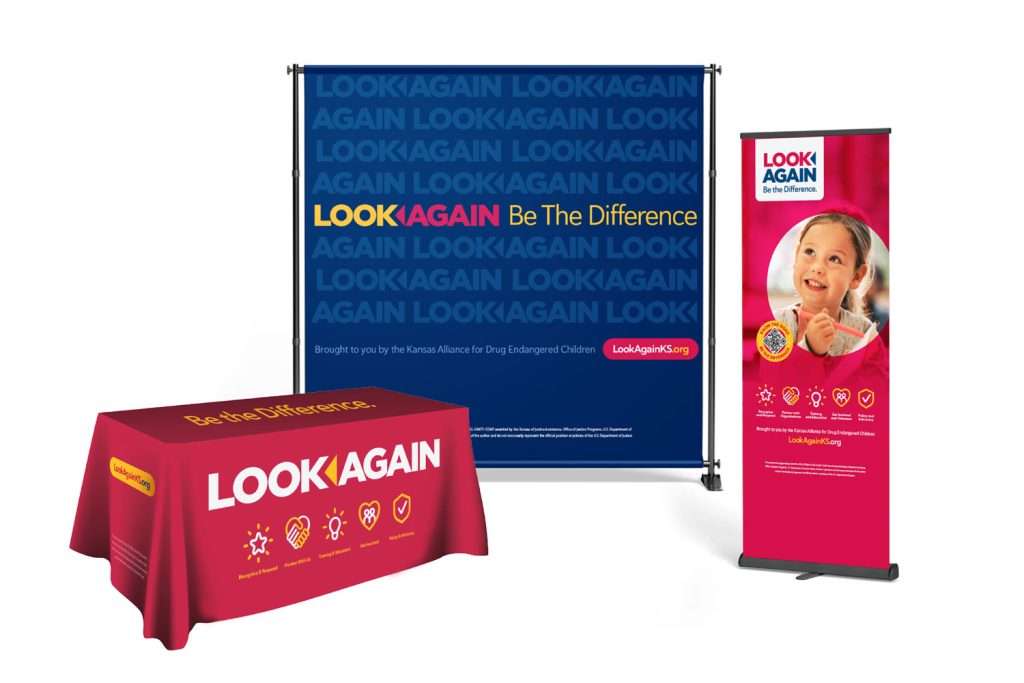
Get Tabling Materials Printed for Your Next Event
Contact our printer now to order what you need for your next gathering.
Sharing Local Success & Innovation
Local leadership drives meaningful change.
If your board or alliance has developed:
- Prevention materials
- Training modules
- Safety kits
- Community response protocols
- Case coordination models
- Outreach campaigns
We encourage you to share them.
KADEC may feature:
- Downloadable resources
- County success stories
- Cross-agency coordination examples
- Model templates
When partners share what works, communities across Kansas benefit.
Building & Strengthening County Alliance
Strong alliances are built on consistency and collaboration. They often:
- Meet regularly
- Include cross-sector partners
- Share documentation protocols
- Coordinate referral pathways
- Align on prevention messaging
If your county is:
- Launching a new alliance
- Expanding membership
- Strengthening cross-agency coordination
- Seeking guidance on structure or bylaws
KADEC can provide technical assistance and connection to established counties.
You do not need to build in isolation.
Partner Best Practices
Statewide alignment depends on shared standards of care.
Partners are encouraged to:
- Use trauma-informed, person-first language
- Avoid stigmatizing terminology
- Emphasize child safety and stabilization
- Coordinate before duplicating services
- Refer families to appropriate statewide resources
- Maintain confidentiality standards
Partnership is not simply affiliation. It reflects a shared commitment to children and families.
Data & Reporting Alignment
Accurate documentation strengthens coordinated response.
Partners are encouraged to:
- Document child presence when appropriate
- Track referral outcomes when possible
- Share anonymized trend data with KADEC
- Identify service gaps in their communities
When data is shared responsibly, it helps guide prevention strategies and funding priorities.
Need Support or Technical Assistance?
If your alliance needs:
- Messaging review
- Training coordination
- Board development guidance
- Presentation support
- Community engagement strategy
- Grant alignment assistance
KADEC can help.
A coordinated network is stronger than an isolated effort.
Frequently Asked Questions for Partners
How do we submit local materials to KADEC?
You may submit materials for review or inclusion by contacting KADEC directly. Early collaboration helps ensure alignment with campaign messaging.
Can we adapt campaign materials for our county?
Yes. Materials may be adapted for local context while maintaining core messaging and trauma-informed standards.
What if our county does not yet have a formal DEC alliance?
KADEC can guide you through initial coordination steps and connect you with established counties for mentorship.
How often should alliances meet?
Meeting frequency varies by county. Many successful alliances meet quarterly, with working groups convening more frequently as needed.
Are partners required to use specific language?
While flexibility is respected, we strongly encourage consistent, child-centered, non-stigmatizing terminology to protect the integrity of the campaign.
Can we request a KADEC speaker or training facilitator?
Yes. KADEC can assist with training coordination and speaking engagements when capacity allows.

Strengthen Coordination in Your Community
KADEC is a statewide multidisciplinary network formed in 2003 to improve outcomes for children impacted by substance misuse through training, collaboration, and coordinated response.
Statewide impact depends on local leadership.