
Recognize & Respond
Recognition. Responsibility. Response.

Know what to look for. Know what to do next.
All children deserve to live in healthy, supportive environments. When substance misuse affects a caregiver, children may experience harm that is not always visible. Early recognition and thoughtful response strengthen safety, stability, and long-term outcomes for children and families across Kansas.
You do not need certainty. You need reasonable concern.
Substance misuse does not define a child’s future.
Substance misuse does not define a child’s future.
What is a Drug Endangered Child?
A drug-endangered child (DEC) is a child living in an environment where substance use or misuse places their safety, health, or development at risk.
Substances may include alcohol, prescription medications, cannabis, opioids, methamphetamine, or other drugs. The concern is not the legality of the substance. The concern is whether a child’s supervision, stability, or development is affected.
Early identification and coordinated support help prevent escalation and strengthen family stability.
The Impact in Kansas
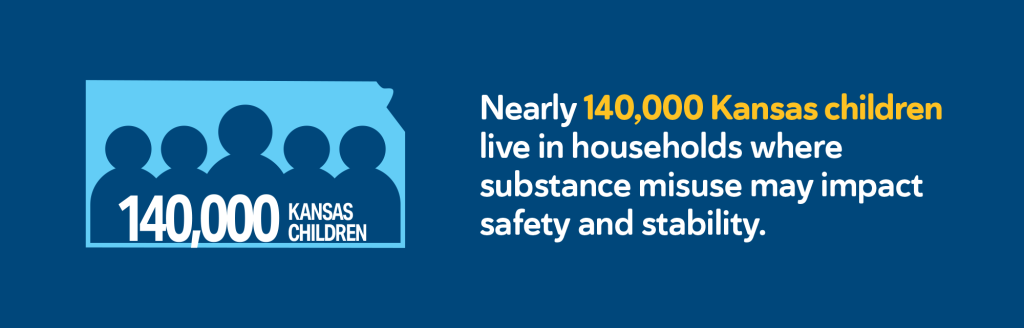
Substance use disorders affect every Kansas community. Nearly 140,000 Kansas children live in households where substance misuse may impact safety and stability.
When communities recognize signs early and coordinate response, outcomes improve.
Signs to Look For
Children affected by substance misuse may show signs in different environments. These signs do not confirm substance misuse. They signal the need for careful observation and appropriate next steps.
If you are unsure, pause and observe patterns over time. Small observations can make a meaningful difference.
Signs in the Home
- Drug paraphernalia within reach of children
- Unsafe storage of medications or alcohol
- Signs of violence (damaged walls, broken items)
- Frequent intoxication or caregiver impairment
Signs at School
- Chronic fatigue
- Difficulty concentrating
- Emotional dysregulation
- Persistent hygiene concerns
- Sudden changes in behavior
Signs in Medical Settings
- Unexplained bruises or injuries
- Developmental delays
- Missed appointments
- Fearful or withdrawn behavior around caregivers
Types of Harm That May Be Present
Children living in environments affected by substance misuse may experience:
Neglect
Failure to provide basic physical, medical, or emotional needs.
Emotional Harm
Manipulation, intimidation, or exposure to chronic stress.
Physical Harm
Injury caused by a caregiver.
Substance-Related Risk
Exposure to unsafe storage, manufacturing environments, or impaired supervision.
These categories help professionals assess risk. They are not meant to label families, but to guide protective response.
Prevention Begins with Awareness
Small, proactive steps strengthen safety.
Consider whether medications and alcohol are securely stored and inaccessible to children. If you work with children, ensure there is a clear and confidential process for identifying and responding to safety concerns.
Early attention to risk factors reduces escalation. Recognizing signs and responding appropriately strengthens family stability and community health.
When to Take Action
If you are asking whether you should act, it may be time to make a call.
You are not expected to investigate.
You are not expected to diagnose.
You are expected to share observable concerns when appropriate.
Mandated Reporters
Certain professionals, including educators, healthcare providers, law enforcement, social workers, and others, are required by law to report reasonable suspicion of child abuse or neglect. You do not need proof.
If you suspect a child may be at risk:
- Contact the Kansas Protection Report Center at 1-800-922-5330
- Online reporting is available through Kansas DCF
- Reporting can be made 24 hours a day.
If a child is in immediate danger, call 911.
Spanish-language reporting assistance and community resources are available.
Community Members
Even if you are not a mandated reporter, you can still act.
If you feel safe doing so, you may:
- Offer support to a caregiver
- Share community resources
- Encourage connection to services
If you are concerned about a child’s safety, you may contact the Kansas Protection Report Center. Reporting allows trained professionals to assess risk. It does not automatically result in removal.
What Happens After a Report?
Not every report results in removal. The goal is child safety and family stabilization whenever safely possible. Understanding this process can reduce hesitation about speaking up.
After a report is submitted, child welfare professionals assess:
- Immediate safety concerns
- Level of risk
- Appropriate next steps
Questions About Recognizing & Responding
What if I’m not sure what I’m seeing qualifies as abuse?
You do not need certainty. You need reasonable concern. Reporting allows trained professionals to assess safety and determine next steps.
Will reporting automatically remove a child from their home?
No. Removal is not automatic. The primary goal is safety and stabilization whenever safely possible.
What if the caregiver is using a legal substance like alcohol or prescription medication?
The concern is impact, not legality. If supervision, safety, or development is affected, it warrants attention.
What if I am worried about making things worse?
Reporting connects families to assessment and support. It does not assume guilt or wrongdoing.
If You Are Unsure What to Do Next
Learn more about reporting options or connect with KADEC for guidance.
KADEC supports coordinated Drug Endangered Children alliances in 37 Kansas counties, connecting education, healthcare, child welfare, behavioral health, and law enforcement to strengthen child safety and family stability.
When communities align around prevention and coordination, children are safer.